
Season 04 – Episode 111: A 9/11 Firefighter’s Daughter Turns Grief Into Service, with Caitlin Leavey
By The Gifts of Trauma /
Listen this episode here:
or here
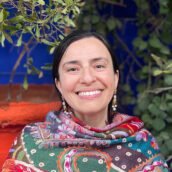
FDNY Lieutenant Joseph Leavey’s voice on the radio tapes from that morning was calm, steady and in command as he led his men into the South Tower of the World Trade Center. His daughter, Caitlin was just ten, and it took her some time to understand why he never came home, and what had happened to the outgoing larger-than-life father she adored. Twenty-five years later, on the anniversary of 9/11, Cait joins us to talk about her clinical work as a therapist to first responders, military veterans and their families.
She also shares:
- The gift that emerged from the ashes of that disaster
- How it felt when the initial wave of community support faded, and her lifelong mission to keep it alive
- What America’s Camp did for kids who lost family on 9/11
- Where the Spirit of 9/12 shares its messages of hope
This isn’t a conversation about what was lost on September 11th, but about what one person refused to let fade. Every year, Cait returns to her father’s firehouse on 9/11 to be embraced by her father’s memory and the second family she’s known all her life. Then, every 9/12, she runs a local event that inspires the next generation to keep the compassionate spirit of that dark time alive.
Episode transcript
00:00:01 Rosemary
If you’ve completed or are currently enrolled in Compassionate Inquiry training, you’re invited to attend the third International CI Conference in Vancouver, Canada, from October 30 to November 1. Dr. Gabor Mate is returning as our keynote speaker and masterclass presenter. Enjoy engaging workshops and inspiring demonstrations with Sat Dharam Kaur, CI facilitators and practitioners. Whether you join us in person for three days of shared inquiry with CI cohort partners and colleagues from around the world, or attend virtually to focus on the teachings, tap the link in the show notes to learn more and secure your place. And yes, there will be dancing.
00:00:50 Caitlin
Another beautiful gift that my family had that I don’t think I appreciated until I got a little bit older and understood it, was the tapes from that day. My dad was on the tapes, so he made it… He was a lieutenant at Ladder 15, which is in Lower Manhattan, right by the South Street Seaport. His company made it to the south tower, to the 78th floor, which was the impact zone. You know, the Twin Towers. Like, we knew that it was his favorite buildings. We would go visit all the time when we were younger, you know, around Battery park and go visit. And my dad’s on the radio as a lieutenant, as a leader, leading his men, you know, to get to the impact zone, to getting all these civilians out. And there is something that was incredible about his voice of just how just calm and collective he was. And there was that reassurance of like, we’re going to get through this. And when I hear that, that is particularly very inspiring to me, is he was making sure all those men and women got home. How can I continue on that legacy?
00:01:57 Rosemary
This is the Gifts of Trauma Podcast. Stories of transformation and healing through Compassionate Inquiry.
Welcome to the Gifts of Trauma podcast by Compassionate Inquiry. I’m Rosemary Davies-Janes, and I’d like to take a minute to introduce this special 9/11 memorial episode. We’re recalling an event that 25 years ago tomorrow changed our world in the span of a few hours, nearly 3,000 people died, including citizens from 78 countries, civilians. So we created this episode to look past the most familiar version of that day and explore what that disaster revealed about us as humans. And our aim is to honor the spirit that showed up in the worst of it, to explore why that spirit faded, once the crisis passed, and to spend this hour with someone who has devoted her life to keeping that spirit alive, because in the worst of it, something happened that gets spoken of less often. As the first responders were climbing the stairwells that everyone else was scrambling down. Strangers started helping strangers, on site, and in the surrounding streets. And up here in Canada, more than 230 planes carrying over 30,000 passengers were diverted to airports on the east and west coasts, where thousands were given beds, food, and comfort by strangers who asked for nothing in return. And all over North America and around the world, people who had never met each other, showed up for one another simply because their help was needed. Now I’d like to introduce our guest today, she lost her father on September 11th. FDNY Lieutenant Joseph Leavey was one of the first firefighters to reach the Twin Towers that morning, he didn’t come home. She was 10 years old. And what she’s done with that loss in the 25 years since is remarkable. Caitlin Levy, welcome to The Gifts of Trauma podcast. I’m so glad you were able to join us today.
00:04:09 Caitlin
Thank you so much for having me.
00:04:11 Rosemary
It’s an absolute pleasure. Now I’ll introduce you briefly as a trauma-informed therapist because you work directly with first responders, veterans and families who carry loss like yours. And what you’ve built took, that instinct to show up for one another, and gave it a place to live, grow and thrive, day in, day out, year after year. So, Cait, what would you like to add to what I’ve shared about you?
00:04:36 Caitlin
Yeah, thank you so much for that wonderful introduction. Feel so honored to be here on the podcast and be alongside you. There’s something that you spoke about the spirit that came after 9/11, and that is a gift that I’ve taken that I want to share with the world. Because 9/11 was a very dark day. And as we would say at the camp that I went to after 9/11, America’s camp, it’s better to light a candle than curse the darkness. And being 10 years old and being surrounded by hundreds and millions… and people who were deeply, you know, impacted by that day, whether personally or watching on tv, there was something that was so beautiful about it, that was so poignant in my memory, the way that we showed up for one another. And I create this, I have this event every year, called The Spirit of 9:12. And it’s that just super simply, like, how can we educate the next generation not only about 9 11, but what 911 has taught us when tragedy hits, when things get really challenging. Because my memories, the days after 9/11, were neighbors stopping by with food, were people just coming up to me giving me a hug. The presence of somebody next to you, even if it’s non verbal, that connection is what was so powerful. And even the experiences I had had afterwards, being around others who lost someone on 9/11 or impacted the community, that was incredibly healing, how community really stood out for me. And my dad was like the embodiment of that as well. As a New York City fireman, he loved his job, he loved his city. You know, he had his model where it was work, church and home. And we spent time as a family with him after his shifts to the firehouse, we would… He would call them family field trips into the city and rollerblade around Battery Park. And there was something of just witnessing him as my father and as my role model and as my inspiration now, of just the ways that he interacted with people around him. We grew up in a very small town, and a trip to the supermarket with him was always turned into something a little bit longer, because he would just simply be asking people, ‘How are you?’ And be talking to another. And that’s no surprise. His nickname was ‘the Mayor of Pelham.’ And so we often look when these difficult, challenging, horrible things happen to us, what can we take from it? And for me, that was, how can I keep his memory and spirit alive and take what I learned from 9/11 and work with others who’ve gone through something, the unimaginable. And particularly because there’s a way that I can connect with them. Maybe we don’t have the same tragedy or the same experience, but there’s a similarity of having that… That bond or that connection. And so right now I’m working with a lot of first responder children, veterans, smart home recipients. I work closely with Tunnel to Towers with all their recipients. And then I run a private practice as well and have my focus on… specifically around grief and trauma. I do a lot of work with kids as well. I think that there’s something that is just so powerful and incredible, the things that children can teach us about resilience and healing. And I also co-founded a nonprofit called the Holding Frames. And the premise of our mission is be able to hold space for individuals who’ve gone through the unimaginable, through art, through being able to get people in a room, around a table, painting a frame, writing a message, drawing a picture in the middle of something that you would want to share with someone else. And so it’s the process of it, and then it’s the act of it as well, of giving that to someone else. And how like, no act of kindness is too small.
00:08:30 Rosemary
And thank you, Cait. You’ve shared so much there. And I do want to dig into each piece of that, as I let you know before we jumped on today, we’ve been running a series on first responders focusing on fire policing and emergency medical services. And our last first responder episode, we closed it with our founding guest, Brandon Evans, telling listeners who felt moved to help that the best place to start was finding clinicians who are already doing this work. So when I came across you, I thought she’s absolutely perfect for this episode and that’s really how we found you. I’m wondering if you can just connect the dots between the 10 year old who lost her dad, and the work that you do today.
00:09:16 Caitlin
Yeah, the 10 year old who lost her dad was very confused. I also came from a unique situation where I had… My two siblings were 6 years and 16 years older than me. And so we each experienced 911 differently, we were at different stages in our life. This was also before time when there was social media and our TV wasn’t as filtered or censored as we have it now. And so everything was just so in our space. And I remember being so curious, well how are people getting through this? And I think my 10 year old self was very observant about that. The people around me, which I later learned, becoming a therapist, right, that’s co regulation. I looked around the people around me to figure out what tools can I take and how can I model that? What ways can I model what is being around me, and what works for me because everyone grieves and processes things differently. Looking back now I’m a therapist. 911 Was such a pivotal moment in the field of mental health of just how are we having these conversations in our society, how are we showing up for one another? There’s something about just the uniqueness of being 10 and being in that developmental stage and being curious and the inner child in me of being like I’m lost and I want some comfort, I want to be nurtured, I want to understand, but also like this is my reality and I need to buckle up. And so I look at my childhood and it was, there’s, there was a lot of polarities of growing up really fast and also, trying to hold onto those pieces. I went to a camp shortly after 9/11 called America’s Camp. And the whole purpose of this camp was, these three camp directors came together and said we just want you to be in a space where you could be kids. You are no longer a 9/11 kid, you are a kid. You know, there was something about identity that came up for me too and how people get this identity after experiences. And so I look at my role now as a therapist and I think it’s very important for me when I do, especially when I work with kids that I self disclose. I said, hey, I was the once in your shoes. And I think there’s something about whether it’s intentional or not or non intentional. Right. The unconscious and the conscious, like not putting individuals, specifically children, into a box of how they are processing their trauma, their grief, you know, really empowering them to find their pathway through. And their pathway could look so different to someone who’s gone through the same thing, or it could look super similar. But I think that was a thing that I found for myself that was really important for me. And I don’t think I would have been able to find that if I didn’t have the communities around me and those resources. You know, finding ways that I was finding purpose in my community, finding ways that I’m connecting to my story and recognizing, wow, like, yes, I can validate my pain. I can also use it as a way to heal, as well, and to inspire others and help others and what has the world… I always had this motto when I was younger. ‘The world has changed me, and now it’s my turn to change the world.’
00:12:30 Rosemary
I love that. That’s beautiful. And I’m so glad that you work with children today because you’re a few years older than my daughter. And I remember she was seven when this happened. And I did my best to explain it to her, but how do you explain the unexplainable to a kid? Like, adults were struggling to take in what they may have seen, 50 times that day, replayed on the news. It was just shock and horror and disbelief around the world. And with your dad being a larger than life person, the mayor of Pelham, someone who’s outgoing and really grounded in strong traditional values, I did come across something about him in my research that I’d like to offer you, and you can run with it where you will. I understand that firefighting was not his first career. And he had a love of buildings and skyscrapers and especially the Twin Towers.
00:13:26 Caitlin
Yeah, yeah, there was something. So another beautiful gift that my family had that I don’t think I appreciate until I got a little bit older and understood it was the tapes from that day. My dad was on the tapes, the radio transmission. So he made it. He was a lieutenant at Ladder 15, which is in Lower Manhattan, right by the South Street Seaport. His company made it to the south tower, to the 78th floor, which was the impact zone. And my dad’s on the radio, as a lieutenant, as a leader, leading his men, you know, to get to the impact zone, to getting all these civilians out. And there was something that was incredible about his voice, of just how just calm and collective he was. And there was that reassurance of like, we’re gonna get through this, you know, and when I hear that, that is particularly very inspiring to me as he was making sure all those men and women got home right. And how can I continue on that legacy? And, you know, the Twin Towers, like, we knew that it was his favorite building. We would go visit all the time when we were younger, you know, around Battery park and go visit. And there was a lot of talk, my memories right after 911 was, you know, of course he would be there. Right, of course he would be there. Those were like, he knew everything about the Twin Towers and he’s gonna find his way out, you know. But it’s interesting how we all had a different take of kind of… We listened to it. And my mom, who is truly our rock, when she, you know, listened to that, she knew that my dad was… was gonna be in there, you know, and the fact that there was that correlation, I think it’s also what just kind of really inspired me to be, you know, the way how we’re carrying our loved one’s legacy forward by those stories, those little, like, learning about their interests and those little stories and being able to carry that on with you. And so that’s something I find is such a gift and is so beautiful, and something I connected to the work that I do at the 9/11 Memorial Museum. I used to live down there, and I do a lot of work with the museum, particularly around educating the next generation, how to make it relatable, how to tell that story. And part of it, telling the story is telling the stories of these men and women, you know, something just simple as, like, what their favorite baseball team was, or like something about their favorite hobby and giving a story to those names.
00:15:53 Rosemary
Yeah. And storytelling came up across our series as a wonderful educational tool that actually convinces more first responders to give therapy a try, when the story is good. It can go the other way as well, but it’s really a key part of that lifestyle. And I understand your dad’s firehouse was one of the closest to the World Trade center. And… so, of course he was there, and you spent a fair bit of time there. I’m wondering, after 9 11, did you learn a lot more about him from his colleagues, those who served with him?
00:16:28 Caitlin
Yeah, I did. I mean, I think it was really, you know, he loved taking us around the firehouse. And I remember as a kid, the firehouse was like a second home when it was like a second family. Before he was at Ladder 15, the South Street Seaport, he was in Midtown. And we would always be at all the Christmas parties and the rehearsal for their Radio City Rockettes. And there was something that he was so proud of his community and the men and women that he worked with. That was something that was, and it’s still to this day, how the fire department is a family. It is a second family. And we talk about, like, when you were saying storytelling, what came up for me too is, like the mentality of the kitchen table too. And a lot of times, like, I’ll stop by the firehouse, and they’ll say, come on upstairs, you know, come eat with us or come sit with us around the table. And I just, for me, I think it’s just, it’s so incredible to witness and watch everyone’s sitting around, everyone’s, you know, exchanging stories. And that is just so awesome.
00:17:26 Rosemary
Yeah. And I can hear how that keeps your dad’s presence alive for you in a certain way.
00:17:31 Caitlin
Yes.
00:17:32 Rosemary
The brotherhood and sisterhood is still there for you, as it, of course, would be.
00:17:37 Caitlin
Yeah.
00:17:38 Rosemary
Yeah. We were talking about the spirit of support that came up almost immediately as this happened. I’m wondering, is there a moment you can point to when you felt that outpouring start to recede for you, for your family, for the broader community who’d lost a loved one?
00:17:56 Caitlin
One moment? When that support was diminishing, you mean?
00:18:00 Rosemary
Yeah. Was it noticeable?
00:18:03 Caitlin
Yeah. So my memories of just going to so many different memorial services and events and, you know, it was. I remember being like, oddly comforting, but oddly like, like, how do I, you know, it’s the child and me was like, ah, what do I feel like I learned a lot about regulation as a child that I look back and I reflect on as an adult because my child, 10 year old self would follow it all in. Right. Didn’t really know what that would look like. How do I, you know, there were people around me who were more open with their emotions, learned how emotions can be, for us in different ways. Maybe some of that grief comes out when just kind of isolating, or in anger, or in staying super busy, you know. I was really busy. I was a really busy kid. Like, I was really involved and that was, that was just my way of coping. And that outpouring support, I mean, there is something to say, like after a tragedy, after a disaster, how that does diminish, and that that could feel really isolating. That’s such a poignant and important piece that we need to be addressing when we look at mental health. It’s something that.. why I co founded the Holding Frames with my co founder, Josh Garcia, who survived the Pulse shooting because we saw that there was a need for that, of once that support and everything dies down, what now? And how is that sense of community and connection still instilled in, with these individuals? And it doesn’t need to be this big rent. It could just be something as a simple check in or something as simply, you know, having events in place or meetings. I mean, right now we have zoom and we have all these forms. There’s ways that we could still say connected, but there is also something too, where it doesn’t need to be so outspoken. It could be quiet. It could be quiet in the way through artwork, for instance, you don’t need to be an artist, but a way for that you’re sitting next to someone, you’re creating a piece and you’re finding, you know, finding a way to express yourself, that maybe words, you know, the words for at the moment, or how storytelling doesn’t have to be verbal as well. How you’re sitting next to someone and their story is inspiring you, you know, and helping you be able to articulate those moments and those feelings.
00:20:17 Rosemary
Yeah, it makes perfect sense. And what you’re describing is a broad scale version of what I think probably everyone who loses a loved one goes through. There’s this shock, there’s the business, there are all the things to do, planning, memorial service, all of those things. And about two weeks after the funeral, it gets really quiet. So I relate to that. And I’m wondering, like, you’ve mentioned America’s Camp and how that shifted things for you. Brandon, in our First Responder series said something that aligns with that, that the hero label, you were labeled the 9/11 kids, but he said that the hero label beneath that firefighters are just regular people. And I’m wondering what it meant to you, if you can say a little bit more, as a child carrying something so public. And that’s what’s different about the loss of a loved one. It’s so public to be allowed to be just a regular person again. And I’m guessing, like, maybe you can just tell us a little bit more overall, what were the age range of kids that were there and what that feeling was like to just be a regular person.
00:21:25 Caitlin
Yeah. So there was, for some of us, we had never met anyone who had also been through the same thing for some of us we have. And it felt a little bit funny. And we’re like, okay, how do we interact? There’s something about the camp that was… We’re not forcing anything, right? We’re simply putting you together, giving you the space, giving you the autonomy where you can interact with, maybe have these larger, these deeper conversations, maybe not. But, you know, be able to heal and connect through water skiing or archery or soccer or whatever that is, regular kid activities. You know, one of the camp directors, Danny Metzger, would always say to us at every assembly, go out there and try something new. There was something so important in that. And he, every single one, he would say, if you have not tried this? I want you to try it. And there’s something about. I mean, something about coming out of your comfort zone, but also trying it and being around other kids, right? Being other different people outside of your bunk. Because there was something that was so public. And honestly, you know, the way that these camp directors cultivated this camp was so important because they very much were like, we want to keep you out of the public spotlight. You know, no media is here. This is our space. And then all these years later, I’m like so fascinated by this incredible space that they created. And not only how, like, art had an impact. We did an art project every year. One of the art projects was actually being displayed at the 911 Memorial Museum, the Phoenix. But after every meal, we would dance in the dance hall. And so there’s something about movement art that was just so healing. And you would have… When I tell you that every single person was up on a table dancing or on the floor, that’s what it was. It was just like. And you were, you know, meeting people through dance and through singing. And that was like the spirit of America’s Camp; dance like no one is watching. And there was something that was important that they wanted again that just organically came out. They’re like, we’re gonna put music on. We’re gonna bring the dances from all the eight week camps that they had, you know, directed all summer and bring that spirit here and see what we could take from it. And it really gave us an opportunity to be silly, be a kid, like, encourage us to come out of our comfort zone, dress up, you know, in wacky hair, face paint, put on a dance. There was something that was discreetly getting us out of our comfort zone that was so comforting because we weren’t looked from every direction. Right. That we growing up as a 9/11 kid, we were constantly around that, you know.
00:24:02 Rosemary
Yeah. And being labeled is never good, but being labeled that way, I can only imagine the weight of that. Thank you for sharing more about the Camp America experience. It seems like being held by a community without being defined by your loss is something like the actual blueprint for the structure that you’ve built to keep that post-disaster spirit of collective care alive long after the world moved on and you’re still keeping it alive. There’s something that we say in Compassionate Inquiry, we heal in community. And your story, it’s just so true.
00:24:39 Caitlin
And there is something too about healing in service as well. That is something that was really important for me that I learned to 9/11 is now one of the largest national day of service. 9/11 Days, this organization that’s made that. And I’m in 9/11 day ambassador. It’s why I created this day. The Spirit of 9/12 is a service project for kids and families to relate to. And so when we look at our youth now and the many things that they’re going through, a way that they can find community and healing is through service. Right. Through service, you build community. They’re really finding within yourself what is something that you’re interested in and giving it a try. The act of helping someone else can be so incredibly healing and connected for yourself.
00:25:26 Rosemary
Yeah, definitely. I’m wondering if we can pivot a little bit, to your work. Something that came up in our first responders series was the concept of the magic cape attached to the hero identity. Something that lets them walk into a burning building, but can hide the real cost. And I’m wondering if you recognize that quality in your dad and the men he worked with at the firehouse, or amongst the first responders that you support today as a clinician.
00:25:57 Caitlin
Yeah. I think that there is something about, you know, in general when we talk about leaving work at work, and how challenging and difficult that is for first responders to keep their work at work. You know, there’s coming home to their families and being able to be present, but also processing what just happened, whether they share that or not. But a lot of first responders don’t. They go home, they don’t want to share with their loved ones what they saw. You know, there’s also a sense of hyper-vigilance that they’re carrying. Right. Their window of tolerance is different than often than their family members’. Right. They’re trained to be more hyper-vigilant so they could respond to these moments. And so I think that’s why I’m so fascinated working with other first responder families because even with first responder families, there is a sense there is something that they’re carrying because they know what is possible, what could happen to their loved one. Just what we’re exposed to right now. And so there is that level of anxiety. There is that curiosity and that wonder and that fear. And more importantly, our first responders are carrying that as well. They know that they’re going into this and they have their families at home. And so I’m in awe, especially of all those people from 9/11. I think that, you know, you brought up storytelling, and I do think storytelling is just like one of the ins of helping them being able to download and heal and find community in their experience, when mental health feels like this stigma, especially in this community, that kitchen table aspect or that people coming by and being able to tell your story, talking to someone else. Again, you telling your story to someone can really have an impact on someone.
00:27:37 Rosemary
And it can help you discharge as well. You’ve got to unpack that stuff because if you don’t, it’s cumulative trauma. And there can be physical health issues. Relationships like the divorce rate amongst firefighters is through the roof. And probably that’s true for all first responders. I’m wondering, do you know the work of Rebecca Solnit? She wrote a book called A Paradise Built in Hell. It’s not the newest book. It came out in 2009.
00:28:04 Caitlin
Okay.
00:28:05 Rosemary
She describes 911 specifically as, “A deep, profound, rousing time that woke people from isolation into feeling engaged, connected, ready to give and to care.” Does that resonate with you?
00:28:19 Caitlin
Yes, I think that a lot of people have a 911 story. Right. Is that something that we talk a lot about at, you know, with the Visionary Network and the 911 Memorial Museum? How are we engaging people who were impacted by 911 through storytelling? Because everyone you ask someone, any New Yorker, they know where they were that day, or even any American, probably people.
00:28:40 Rosemary
All around the world.
00:28:41 Caitlin
All around the world.
00:28:42 Rosemary
I know exactly where I was that day.
00:28:45 Caitlin
Yes. I mean, a lot of people, when they hear my story, they share with me. I know where I was on 9/11. So it really had such an impact. And I think that there’s something which is why this national day of service is so important, is people are like, what do I do on this day? What can I do? And that’s why there’s this pledge. Do one simple thing right. Why don’t you help someone with their groceries coming out of the grocery store? Why don’t you drop off cookies to your local first responder house? Why don’t you call a family member you haven’t talked to? Right. Why don’t you check on a friend? It’s a reminder of… that’s what we did. Right. That’s what people. People have this whole thing when tragedy, you know, grief, what do I do? What can I do? And yes, everyone has different needs, what they do, but also, it doesn’t need to be this extravagant thing. It could just be super simply of, hey, I’m thinking of you. I’m here if you want to grab a coffee. Hey, I’m thinking of you. I’m here if you want to talk, or you know what, I’m going to town a little bit if you want to take a walk with me. We don’t need to name it. It’s just about the presence, the showing up, the proximity. We talked about in the holding frames are the frame method of just like presence of proximity is very important. We also talk about agency. Agency is really important when, you know, a lot of people just don’t feel like they’ve lost their sense of agency, like, of how, you know, their identity is being accounted for. Right. They have this identity. And where is my agency? Where is my power? Do I have the choice to be able to help myself get out of this? There is something that’s just very important about that.
00:30:15 Rosemary
It’s interesting because I’m seeing the threads connecting a quote I found from you. You described therapy as a place where people don’t need the right words. And what you’ve just described about community outreach is that you don’t have to be a clinician. You don’t have to know what to say. And that’s what stops people. A lot of times it’s like, what on earth would I say? So, thank you for the freedom.
00:30:38 Caitlin
Yes.
00:30:38 Rosemary
That you’ve just offered to our listeners. And therapy can be a place like that, but everywhere could be a place like that, where people can just exhale. And I’m connecting the dots here to your Camp America experience. Is that accurate?
00:30:51 Caitlin
Yeah, there was something about America’s Camp and I was just asked this recently because there’s this beautiful exhibition at the 911 Memorial Museum that shows the acts of service after 9 11. And the Phoenix is there. And the Phoenix is this beautiful art project that everyone from America’s camp took part in and they created a feather and the counselors did as well.
00:31:14 Rosemary
I will definitely include a link so people can go look at the Phoenix art. I will definitely do that because again, we go back to healing and community. It’s just, being present, sharing your presence with someone, carrying groceries, whatever it is you can do. You don’t need to have the right words.
00:31:32 Caitlin
You don’t have the right words. I also think that we are at a very different age than, you know, when it was, when 9/11 hit, where, yes, we have this incredible way to be able to be connected to one another, but also it can create a lot of isolation. And we look at that with our kids specifically. And so, you know, giving them the opportunities, the agency to being in a room with other people. You don’t have to have the right words. You don’t need to be outgoing, outspoken. You could just be next to someone and have that agency, be able to be engaged, an act of service, being engaged in a group. I think that when we think of connection, we have to go back to our roots. Just bringing people into a room, and how that felt safety, It doesn’t need to be this box, right? It could exist in so many different forms and ways. There’s ways that we could really help people find their voice and their narrative through community, and how community could be very healing. And we don’t need to, like, advertise it. We don’t need to name it, right? We just give people, give them the opportunities. And that’s what happened in America’s Camp. I was a camper for five years, and I became a counselor. And my favorite year at America’s Camp was when I was a counselor. I absolutely loved it. Like, I loved being able to be with my girls. And I remember a specific moment when I was coming back from… We went on a field trip. We’re coming back, and one little girl, you know, taps me on the shoulder and asks, do you remember your dad? I said, yeah. And I started talking about it. And then it’s like another one, another one. And then it was like a ripple effect. And I had a bunch of my girls around me, and we’re all talking about it, and I get a tap on the shoulder from one of the head counselors and was like, you take the time that you need. Like, this is precious. And I remember just, like, leaving, and I was bawling. I was like, did I do the right thing? There was just so much panic because I thought that I had to do this a certain way. But it’s like, no, you just create space. You show up, you allow this community, the way that we were sitting too, we were in a circle, right? You just. You allow that curiosity and those questioning and that connection to just be natural. It’s the same thing. When I work with parents and they get so lost in being like, how do I. When their child has gone through something, right? Especially when their family’s gone through a tragedy. How do I explain it to my kid? What do I. It’s like being able to ground yourself, find your feet on the ground. Okay. Trusting your instinct as a parent, you know your child the best and following their lead that it doesn’t need to be this thing that is so fixated and you know, there are so many different ways in which you, following your instincts, your intuition, and following on the premise of creating connection with your child, that, right in there is the most important thing.
00:34:10 Rosemary
Yeah, I love what this conversation is bringing out. It’s just be present, offer to help, ask them what they want. How can I support you? Again, it’s a version of labeling. Don’t push your perception on them. Don’t say, you must be feeling this, or you must be feeling that because you don’t know what they’re feeling. And admit, I have no idea what you’re feeling. I don’t know what you need. And I’m going to check in with you every day this week, and for as long as you want, just to see if anything’s come up that I can help with. Now, one of our objectives with the First Responder series, and it’s so perfect that you’re here today, is that it would interest the clinicians in the listening community to consider taking on work with first responders, military veterans, their families and others who have experienced losses. So basically the clients you serve, because we need more people doing this work, we need more culturally competent clinicians. So I’m wondering, is there anything that you wish more clinicians understood before taking on these sorts of clients?
00:35:16 Caitlin
What comes to mind vividly is just listening, leaning in, like the curiosity piece. You could research how to work with first responders. You could read all the books and everything, but they just want to be heard. I think that’s the most important thing. Like the things that they’re seeing and experiencing are a lot. And if you have someone who is telling their story, sharing, the best thing you can do is just is listen and lean into that. I think that is, you know, the fixing is not going to help, right? Because the fixing can make, you know, anyone feel very alienated and isolated. It’s about just listening and being curious. I think that there is also something in being curious and slowing down and being able to help dissect pieces of their story and finding… Finding those strengths. Right? Finding those close, and then helping them also identify and work with and carrying like what feels really challenging and validating that .I think it’s very similar to when I work with like kids. So first responders and veterans where they meet me for the first time before I disclose and they’re like, who is this person? Why am I doing this? And I just say, I just want you to show up how you are every week. We don’t have to talk about it. I want to just connect with you. I want to know your life. I want to get to know you. I’m here for a space for you to be able to explore those other things. But you just show up for how you are. But we’re not going to go into every session with an agenda. You just show up and this is a space for you. I think it’s the same thing when we work with the first responders is, you’re just giving them that container. Because they already have such a great skill set of being able to hold it all in. So you can expect them to just be able to share that, just give them that container, giving that space and just stand alongside them in that process.
00:37:12 Rosemary
Right. Yeah. So I think there might be something about preparing yourself to be present, and aware and self regulated, as co regulation. You’ve got to support your clients.
00:37:26 Caitlin
The secondary trauma piece of it. We’re knowing that you may have a reaction, and maybe there may be a moment and a space, be able to share that. But how can you regulate yourself and just stand with them? You don’t need to fix it. You just sit there. And I think that could be really hard for clinicians especially. We think about all the different modalities and it’s like, okay, do this with it. Like, yes, all those things are important. But I think we have to just really start from the basics and just recognize we know that healing really happens, especially in therapy, when someone feels connected. And how do we start from that place, especially working with this community and how we could do that, like through that breaking that stigma. I think when I’ve talked to first responders, typically who were there for the rest of the recovery, responded to 9/11. Therapy felt a little bit taboo to them because they were like, well, it means there’s something wrong with me. Right. Or what was being projected back out to them. You know, I think they just needed someone to just sit with it and not fix it. Or if they have this mentality that then needs to be fixed, they need someone to sit with them and being like paused, right. And help them just reground, be ground and be in their space, be in their feelings, be in their body and feel validated.
00:38:39 Rosemary
We’re taking a brief pause to share what’s on offer in the compassionate inquiry community. Stay with us. We’ll be right back. The Compassionate Inquiry suicide attention training is for therapists, health professionals and others working in therapeutic, healing, educational, medical or coaching roles. If you’re seeking sensitive training to help you recognize and support people in your communities who may be experiencing suicidal distress, tap the link in the show notes. It will take you to a webpage where you can learn more about this training and decide if it’s a good fit for you.
Yeah. I agree 100%. And creating a safe enough space that they feel comfortable sharing this, because it’s a very different space to the firehouse kitchen table, where everybody has been on that terrible call and seen this awful stuff, and is carrying something away from that. So I’m wondering if you could suggest, are there specific trainings? I know you’re coming at this from the clinician side and we had recommendations from the first responders themselves, that clinicians get familiar with the world of the first responder, which is great, but I’m sure there’s additional training. So can you speak to that a little bit?
00:39:58 Caitlin
Yeah. So for me, my biggest lessons in like working with this population is just really leaning in, listening and working with, you know, and just being curious about the culture. Right. Wanting to understand and learn about it and going in with no judgment. Just, again, just being curious. I think that there is something about the silence and the pause that is really important in this work with the first responders. And so that training could really be, as a clinician, like, how do you navigate silence? How do you navigate that pause? How do you slow down in holding that space and just letting it be heard? I don’t think a lot of first responders have that opportunity. Right? Being able to share what they have and just letting it land for a second because they’re go, go, right? They work, something… A call happens, they go through it and they get back, they gotta focus on the next call. I think there’s something about giving them that space, and validating that. Yes, your job is requiring you to be hyper vigilant and kind of go, go, go, go. And right here in this space, when we work together, you don’t have to have that. And that may feel really uncomfortable. And so it’s kind of going back to what you just said, is like that sense of regulation as a therapist, as a clinician is very important. I do EMDR, but I think that there’s something about like a lot in my practice that just use a lot of modalities and resources from it. And a lot of that is just the pause and just like providing some grounding, exercise and meditation and maybe not naming it, but just like weaving it in, weaving it into the sense of that conversation and that connection.
00:41:35 Rosemary
Yeah, yeah. And because I’m smiling, because we heard some stories about that too, around the. Came out, around the firehouse table, kitchen table. And it’s like I went to see the therapist and she asked me to breathe. What was with that?
00:41:46 Caitlin
Yeah. It’s just because someone’s a breathe. But it’s absolutely. I mean, I think that movement is really important. Community is really important. So encouraging them, okay, who are you? What are you doing outside the firehouse? Are you going for walks? Are you like playing pickleball? Like, what are those different ways in encouraging those spaces, those peer to peer connections, is so important. But there is definitely something, and you definitely hear this from a lot of first responder families that there’s a label. Right. So how do you remove that label and just be there with them?
00:42:21 Rosemary
Yeah, it’s an ongoing challenge. And we were encouraged, from the guests we spoke to, to hear that it is shifting somewhat. It is shifting because goodness knows, the suicide rates are ridiculous. And what you just said, a lot of them reference that if you have something that you can do in the world, something that lets you discharge the energy, something that you’re passionate about, it could be your family, it could be a hobby, it could be anything. Then, you know, if that awful day shows up and you’re having those thoughts, you’ve got something to weigh it against. Community, connections, all that. It’s all really good stuff.
00:43:00 Caitlin
And some first responders may not want to go to therapy, but they identify someone that they can go and talk to, sometimes that’s not their spouse, it’s not their kids, it could be a friend. But I think that if you are working with them as a clinician, I think that there is something about encouraging that they do have that, they do have their safe place, that they do have their network and their community, you know, to reach out to. And they’re encouraged to do that, to be able to offload and be able to speak to it. Finding that container.
00:43:30 Rosemary
Yeah, definitely. I want to leave some space for you to talk more about Holding Frames. You talked about what people do in the holding frames container. But I wonder if you could speak a little bit more about the inspiration. Like, where did this idea come from?
00:43:46 Caitlin
Yeah, so it’s very interesting because when I was at the Memorial Museum, someone asked me, oh, is there a correlation to America’s Camp, like, doing this art project and holding frames? And I do think that I’ve learned a lot of lessons from engaging in our project at America’s Camp. Holding Frames came through this idea of, like, community is healing and also art. You don’t need to be an artist, to be able to like a paintbrush.
00:44:09 Rosemary
And it doesn’t require sharing anything. You can just be present. Yeah.
00:44:13 Caitlin
And so when we talk about our frame method of presence, proximity, power and purpose. When we’re going through a holding frames project, if you’re present with other communities that are in pain, you’re creating a safe space for expression and grief. You know, there’s no judgment. Then there’s like, the proximity piece, being connected to other survivors, being connected to other people who’ve gone through the same thing, who understand the experience and building those different networks of support, the power, that agency I talked about. How you restore agency through creative expression, helping individuals reclaim their narrative in the voice and then the purpose, like how you’re transforming grief into action, which was such a huge thing for me, you know, my experience, transferring my grief into action, channeling that pain into service. Right. Collective healing. I think, particularly for kids. We’ve taken the Holding Frames in with a lot of work with the 9/11 World Museum, especially with September 11 and 9/12, September 11, being tomorrow. 912 Is a way to be able to connect kids, to be able to understand 9/11. And what better way to be teaching them how we can show up for one another through this? And so that’s why every year, you know, the spirit of 9/12 is one of our biggest projects with the holding frames. Josh and I launched the holding frames last year on 9/12. And so the frameS that are made are being sent to other communities impacted by tragedy. And so we send them to schools, we send them to community centers, we send them to hospitals, we send them to first responders. And when someone receives it, it’s a simple reminder that they are not alone. You know, on the other side of it, those communities engaging in it, being like, ah, I have a space to be able to just download and being able to express and put it into something maybe, you know, when the words are just so challenging and difficult to find. And so there is a piece of it that’s just so exhilarating of that community that’s created. And particularly, I just love working with kids. It is really beautiful to see the messages that kids want to be able to send to another person in need. Like this past weekend, my niece was creating a holding frame as an example for the event, and she said, I want this frame to go to a hospital. I want this. And this is the message I want to write. I want to say to them…
00:46:36 Rosemary
Yeah. Wow. It’s so poignant. And this year, I know there’s only a couple days. Give us some logistics. It’s happening in New York City. It’s happening on September 12, and the youth ambassadors from the neighborhood are helping you host that day. So tell us a little bit more about this year’s event in case someone listening is nearby and they can spread the word.
00:46:55 Caitlin
Oh, my goodness. The more the merrier. It’s an incredible day, and it’s so exciting that it’s actually on a Saturday this year, because typically we get all the kids from after school and they come to the park, and so it’s held in Washington Marketpark, which is down the street from the Trade Center. And 1 World Trade center overlooks the park, this beautiful park. There’s a playground, has this gazebo and grass area, and we have the table set up. What’s so amazing, incredible, it makes me smile so bright, is that there are kids who come every year. Be like, I remember you. And they… They know that it’s happening every year on 9/12. You know, in years past, we’ve done different art projects and families, kids, adults, anyone’s welcome to come paint a frame, write a message. Then they’ll go over and there’ll be different canvases or tarps on the ground, and you get to pick which community you would like to give your frame to. On the back of their frame, they’re given the option to write their name and where they’re from. We have tables out, so kids from all around the neighbor are just gathering. They’re looking at each other’s art. They’re connecting with one another. There’s that sense of, the beautiful sense of community, too, between a child and adults as well. Everyone just getting on, like, eye to eye and getting into their sense of, you know, community and just opening hearts.
00:48:04 Rosemary
That’s what I’m hearing.
00:48:05 Caitlin
Yeah.
00:48:06 Rosemary
So much people are just opening their hearts with full permission to let whatever is in there out and share it with others. Wow.
00:48:15 Caitlin
And having youth ambassadors there is just the heart of what we do, is having youth there to help other youth be like, hey, do you want to do this? Okay. And guiding with them and sitting with them. And it’s naturally happened in years past. I actually have A family that I’m very close with. I taught one of their girls and her older brother who I’m close with, he melted my heart last year because he create a frame and then he calls me Ms. Cait. He’s like, Ms. Cait. He said, can I go help these little girls? I said, of course. And he goes over and I’m looking over and he’s sitting with three kids and he’s helping them create their frame and talking to them about it. And I was like, this is the heart of it. This is the spirit of 9 12. Like how beautiful. And it’s really putting remembrance into action, which is just, it’s incredible. And it’s for me, it’s super healing. It’s, you know, a day to be able to the day after 9/11, after a long day and be able to be in the park with all these kids and families and for them just come by and be able to paint a frame. And the beautiful part of that too is that kids come and they come faint of rain. They go in the playground and they come back and they’re like, I want to create another one.
00:49:16 Rosemary
Yeah, I can see and hear the passion. It’s a beautiful event. There’s a link in the show notes that gives you everything that you may need, if you’re able to participate in 9/12. So please look for that. And I know you already said this right off the top, Cait, but I think it’s worth revisiting. This is the Gifts of Trauma podcast. We are well aware that trauma brings gifts as well. So can you once again name the gift that is hidden inside the trauma that impacted so many on 9/11?
00:49:50 Caitlin
I think the gift is the sense of unity and kindness that came after 9/11. There are so many memories of my 10 year old self, I remember, like meeting people I’ve never met before who came and provided love and support to my family. Even came by and just shared stories about my dad. It was like those simple acts of kindness and connection that had such a lasting impact. That is just something I think is so important because especially in times when we feel helpless of like what can I do? What can I starting from that place of how can you connect with someone else and how can you just do the smallest act of kindness can make such a big difference.
00:50:29 Rosemary
Beautifully said. And I’m just curious, what are you yourself doing on 9/11?
00:50:34 Caitlin
For me, I love going to my dad’s firehouse and we just spend time. For me it’s just being in there and being around people who worked with my dad, that’s so beautiful. And just being in a room, like sitting around. There’s all these round tables and sitting around people who worked with my dad, or knew my dad and active first responders in the house. Right then being around other family members. It’s the second home that my dad always talked about. And so it is important for all of us. But typically, my mom will go to church in our town. Some years I’ll go, or sometimes I’ll meet her at the firehouse. And then there’s also an incredible event at the end of the day called the sunset ceremony, that’s at 10 House, which is right by my dad’s firehouse, right by the Trade Center. And they do a sunset ceremony with the bagpipes. And again, it’s just, it’s beautiful just seeing all these people gathering, and it’s turned into this large thing and people are just putting their arms around one another, singing, and that’s beautiful. I definitely, I go down to the 9/11 Memorial Museum as well. I’ve read the names in the past and that’s been healing and nice. But the thing that’s most important for myself and my family is where we all go is being at the firehouse.
00:51:42 Rosemary
Yeah, that makes perfect sense because your dad’s presence is no doubt still there for sure. Yeah, it’s a way you can get close to him. So thank you so much, Cait. I have one last question, and this is something pretty common on this podcast. If you had the ear of everyone who’s been touched by a trauma experience in the line of duty, a community tragedy or a mass disaster, what would you like to say to them?
00:52:09 Caitlin
I think you are not alone, is so important. I think there’s something too about you are not alone, and you also, you have a gift. Finding your gift, finding your experience is worth being listened to, being heard. And it’s worth being transformed. And you are not limited by your trauma, your tragedy, just really embodying, empowering, like that sense of, you know, I know this, there’s a buzzword of resiliency, but really empowering, their strength, their beauty, their resilience that I think is just so important to be able to really instill. And anyone who’s gone through the unimaginable, is that you have a gift. You have a gift. And maybe you don’t know what that gift is right now, but just know that you, yes, you’ve been impacted by this horrible thing, but also you’ve also been changed and transformed and you are like bring so much into the next generation, into the people around you.
00:53:08 Rosemary
Yes. Beautiful. Because you’ll never not be that person that this happened to. And you can heal. It’s been such a pleasure speaking with you. Caitlin Laevey, thank you so much for joining us today on the Gifts of Trauma podcast.
00:53:22 Caitlin
Thank you, Rosemary.
00:53:34 Rosemary
The Gifts of Trauma is a weekly podcast that features personal stories of trauma, a healing transformation, and the gifts revealed on the path to authenticity.
Listen on Apple, Spotify, all podcast platforms. Rate, review and share it with your clients, colleagues and family. Subscribe and you won’t miss an episode.
Please note this podcast is for informational purposes only. It is not a substitute for personal therapy or a DIY formula for self therapy.

Resources
Websites:
Related Links:
- 9/11 Memorial & Museum Article
- The Spirit of 9/12 Event Info
- America’s Camp
- Tunnel to Towers
- Gold Star Families
- Smart Home Recipients
- A Paradise Built in Hell (Book)
- Feathers of the Phoenix (Art Project)